Most of us like to have a crack at DIY. And to be fair, there are parts of plumbing that homeowners can safely handle, which we’ve covered elsewhere and will happily point you to. But if there’s one area that should never sit in the “I’ll just give it a go” category, it’s gasfitting.
Gas isn’t just another utility running through your home. Unlike water, mistakes don’t announce themselves with a drip or a puddle. A poorly connected gas line, incorrect ventilation, or an appliance that isn’t set up properly can create risks that are invisible, fast-moving, and genuinely dangerous. From minor leaks to carbon monoxide build-up, gas problems operate in a completely different space to general plumbing faults.
Why Gasfitting Is a Licensed Trade in New Zealand
Gasfitting isn’t separated from general plumbing to make things complicated; it’s separated because the risks are fundamentally different. In New Zealand, any work involving gas appliances, pipework, or connections must be carried out by a licensed gas fitter. This is because gas systems operate under pressure, rely on precise combustion, and require correct ventilation to remain safe. A mistake of just a few millimetres or an incorrect fitting can change how gas flows or how fumes are expelled.
Licensing ensures gasfitters understand appliance specifications, pipe sizing, pressure requirements, and safety standards that aren’t part of standard plumbing work. It also means the work is tested, certified, and legally compliant, which matters far more than most homeowners realise. If something goes wrong and the work wasn’t carried out by a licensed professional, insurance claims can be rejected, and liability can fall squarely on the homeowner. That’s why gasfitting sits firmly outside the DIY zone, no matter how capable you feel with tools.
What Can Go Wrong When Gasfitting Isn’t Done Properly
Common problems we see when gas work isn’t done by a licensed professional include:
- Incorrect gas supply for cooktops and ovens, where appliances are connected to the wrong gas type or pressure. This can cause uneven flames, excessive soot, poor cooking performance, and long-term damage to the appliance itself.
- Poorly sealed or joined pipework, allowing small gas leaks to develop inside walls, under floors, or behind cabinetry. These leaks often go unnoticed until they become dangerous or trigger an emergency call-out.
- Inadequate ventilation for gas appliances, particularly heaters and hot water systems. Without proper airflow and flue installation, exhaust gases can build up inside the home instead of being safely expelled.
- Incorrect pipe sizing, which restricts gas flow when multiple appliances are running. This leads to systems struggling under normal use and appliances shutting down or operating inconsistently.
- Improper appliance installation or modification, where units aren’t installed to the manufacturer’s specifications. This can void warranties, breach compliance requirements, and increase the risk of failure over time.
- Lack of testing and certification, meaning the system is never properly pressure-tested or signed off. This leaves homeowners unaware of underlying faults until they escalate into leaks or safety hazards.
Our Gasfitting Services at Harbour City
We help homeowners and businesses manage gas systems properly, from installation through to long-term reliability. Our licensed gas fitters focus on work that needs technical accuracy, correct setup, and proper testing to avoid problems down the line.
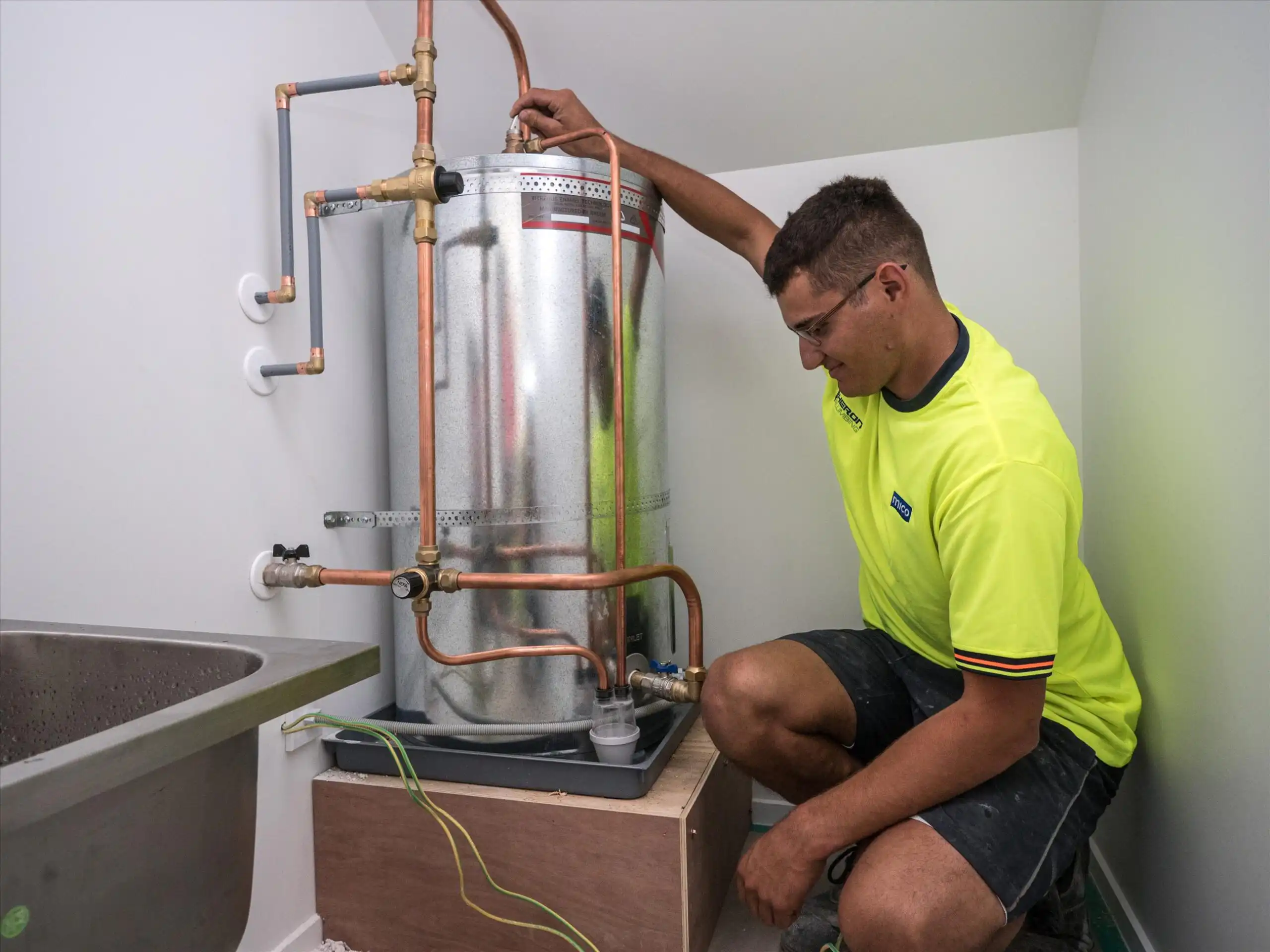
- Gas appliance installation and upgrades: Installing gas appliances isn’t just about connecting them. Correct sizing, pressure, ventilation, and placement all affect how safely and efficiently an appliance operates. Professional installation helps prevent performance issues, early failures, and compliance problems that often appear months after the work is done.
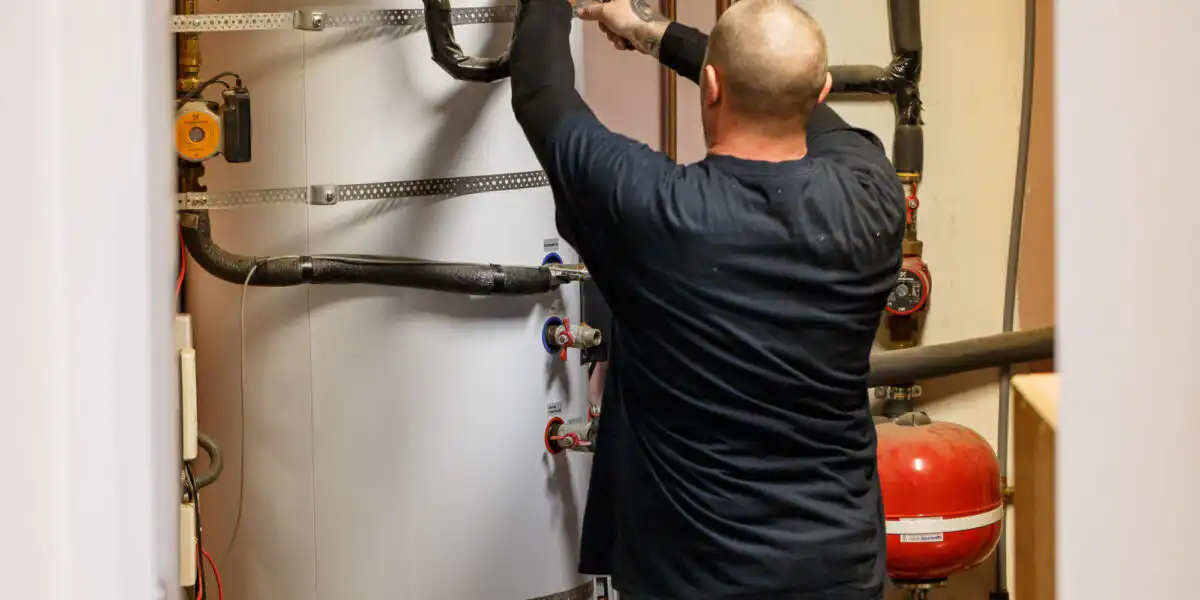
- Hot water, Infinity, and continuous flow systems: Gas hot water systems, particularly continuous flow units, rely on precise installation to maintain stable temperatures and consistent output. Professional setup ensures the system is matched to household demand and operates without pressure drops or temperature fluctuations.
- LPG and natural gas system management: LPG and natural gas systems each have their own requirements around regulators, pipework, and supply pressure. Managing these systems correctly ensures appliances receive the right gas at the right pressure, which directly affects safety, efficiency, and lifespan.
- Compliance checks and safety inspections: Compliance checks confirm that gas systems meet current regulations and appliance standards. These inspections are especially important after renovations, appliance upgrades, or when buying or selling a property, as they identify issues that aren’t always obvious during everyday use.
When It Comes to Gas, Get It Done Properly
Gasfitting isn’t an area where shortcuts pay off. Whether it’s a new appliance, a system upgrade, or something that just doesn’t feel right, having the work checked and carried out by a licensed professional makes all the difference. It protects your home, keeps your system compliant, and avoids the kind of issues that tend to surface at the worst possible time.
At Harbour City, our licensed gas fitters work across Wellington to install, maintain, and repair gas systems with care and precision. If you need advice, a safety check, or a plumber for a gas leak, we’re here to help. Get in touch with our team, and we’ll talk you through the best next step.