Bad water pressure is one of those problems many homeowners put up with for far too long. Showers feel weaker than they should, taps take longer to do their job, and running more than one fixture at a time becomes frustratingly unreliable. While low water pressure can sometimes be a minor inconvenience, it can also be an early warning sign that something within the plumbing system isn’t working as it should.
In Wellington homes, water pressure issues are more common than most people expect. A mix of older plumbing systems, hilly terrain, ageing pipework, and quick renovation fixes can all affect how water moves through a property. The challenge is knowing when poor pressure is simply part of the house, when it can be corrected with a small adjustment, and when it’s time to stop guessing and call a plumber. This guide explains the most common causes of bad water pressure and outlines when it becomes a genuine plumbing issue.
What Counts as “Bad” Water Pressure?
Water pressure isn’t just about how strong the flow feels. In New Zealand, residential water pressure typically sits between 300 and 500 kilopascals. Anything significantly lower than that can cause performance issues, while pressure that’s too high can quietly damage pipes and appliances.
Signs your water pressure may be outside a healthy range include:
- Taps taking noticeably longer than usual to fill a sink, bath, or laundry tub.
- Showers with inconsistent flow, where pressure drops or fluctuates during use.
- Appliances such as dishwashers or washing machines running poorly or failing to complete cycles.
- A clear reduction in water flow when another tap, shower, or appliance is turned on.
- Hot water taking longer to reach fixtures, particularly in bathrooms further from the cylinder.
Common Causes of Low Water Pressure
Low water pressure is rarely caused by a single fault. In most Wellington homes, it’s the result of ageing systems, gradual wear, or components that were never well-suited to the property in the first place. Common causes include:
- Ageing or undersized pipework: Many older homes still use galvanised steel or narrow-diameter pipes. Over time, these corrode internally, restricting water flow even though the supply pressure remains unchanged.
- Partially closed or failing valves: The main shut-off valve, pressure-limiting valve, or individual fixture isolation valves can all reduce flow if they’re not fully open or are beginning to fail. These issues often go unnoticed because the pressure loss is gradual.
- Sediment and mineral build-up: Aerators, showerheads, and internal pipework can collect sediment over time. While this may look like a fixture problem, it can indicate a wider build-up within the plumbing system.
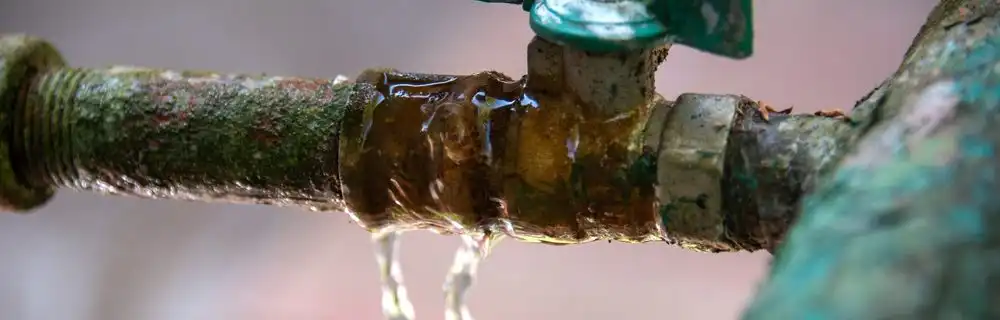
- Hidden leaks within the property: Leaks under the house, behind walls, or underground divert water away from fixtures, reducing pressure throughout the home. In addition to poor performance, this can lead to water damage and higher water bills.
- Pressure-limiting valve faults: If a pressure-limiting valve is worn or incorrectly set, it may restrict water flow more than intended, affecting the entire house.
- Poorly planned renovations or plumbing upgrades: New fixtures installed on old pipework, mismatched pipe sizes, or DIY alterations can unintentionally restrict water flow, especially when multiple fixtures are used at once.
When Water Pressure Becomes a Plumbing Issue
Not every water pressure problem needs immediate attention, but some situations do warrant a closer look. A useful starting point is how widespread the issue is. If only one tap or fixture is affected, the cause is often localised. When poor pressure is noticeable throughout the house, it usually points to a broader issue within the plumbing system.
Sudden changes in pressure are another clear indicator. If water flow drops noticeably over a short period of time, it can suggest a fault such as a cracked pipe, a failing pressure-limiting valve, or a problem with the incoming supply. These types of issues tend to worsen if left unattended and are best addressed early.
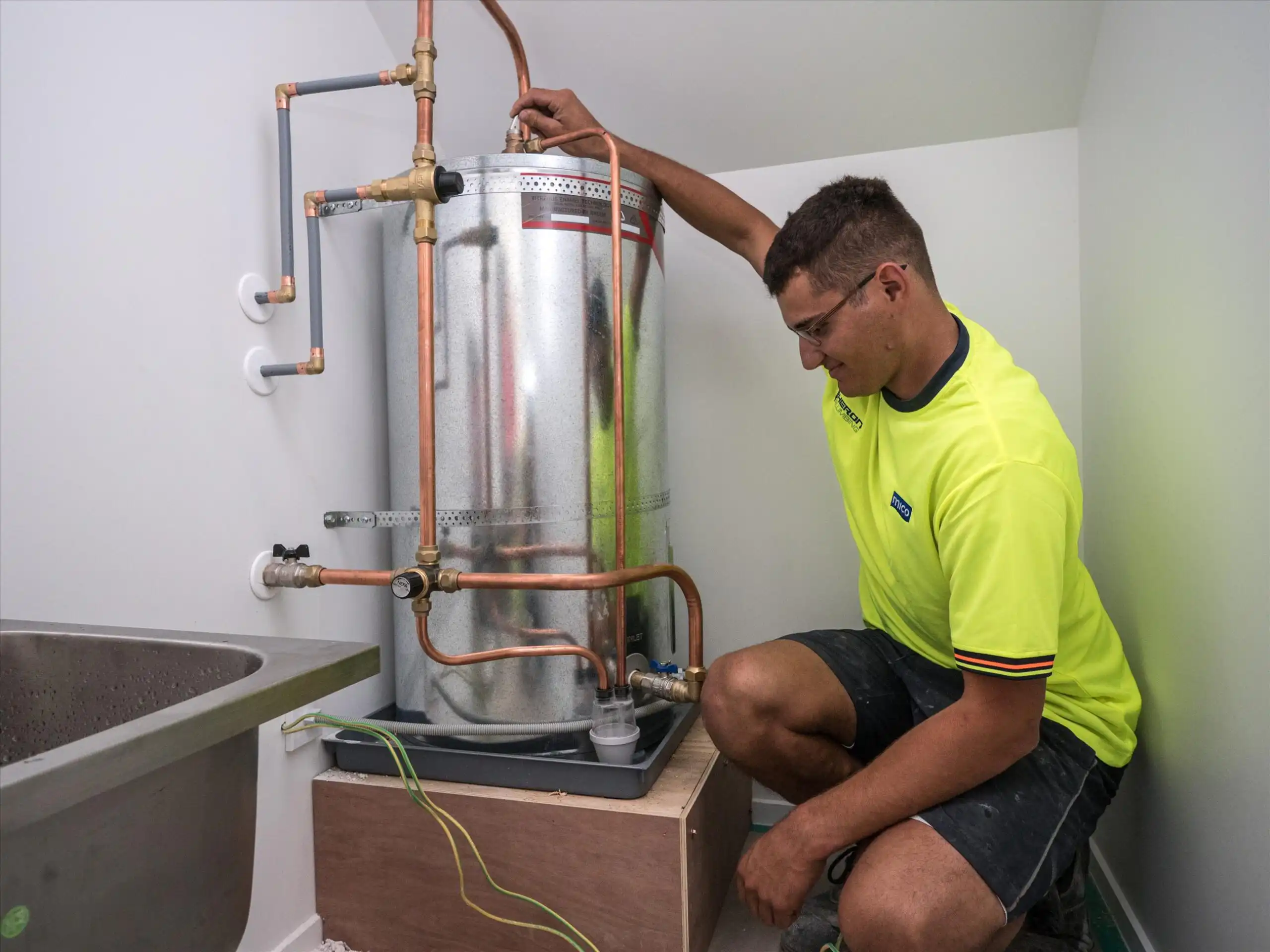
Water pressure can also be affected by previous plumbing and gasfitting work. Undersized pipes, incorrectly installed systems, or renovations that haven’t accounted for overall flow demand can restrict performance across the home. Identifying these problems requires a proper assessment of the system, which is where an experienced Wellington plumber can step in and provide clear answers.
Why DIY Water Fixes Often Miss the Point
It’s tempting to treat water pressure issues as a DIY problem. Replacing a showerhead or cleaning an aerator feels productive, and sometimes it helps. The problem is that these fixes only address symptoms, not causes.
Without proper testing equipment, it’s impossible to know whether the issue lies with the council supply, internal pipework, or pressure regulation. Adjusting valves blindly or installing booster pumps without understanding the system can make things worse, not better.
Professional plumbers use pressure gauges, flow testing, and system inspections to pinpoint the exact cause. That level of accuracy saves time, money, and frustration in the long run, especially in complex homes or older properties.
Don’t Ignore Ongoing Water Pressure Problems
At Harbour City Plumbing, we help homeowners across Wellington, Lower Hutt, Upper Hutt, and Porirua get clear answers about what’s actually going on with their water pressure. Whether it’s a simple adjustment, a hidden leak, or a larger system issue, we’ll assess it properly and explain the best way forward. If you’re unsure whether your water pressure is normal or something worth investigating, getting in touch is an easy first step.
Water Pressure FAQs
Is low water pressure normal in Wellington homes?
Some variation is common, but ongoing low water pressure in Wellington usually indicates an underlying plumbing issue that should be checked.
Is high water pressure actually a bad thing?
Yes. High water pressure can put constant strain on pipes, valves, and appliances, which often leads to leaks or failures over time, even if everything seems fine at first.
Why does my shower pressure drop when another tap is turned on?
This often happens when pipework is undersized or the system isn’t balanced properly. It’s a common issue plumbers in Wellington see, especially in older homes.
When should I stop waiting and call a plumber near me?
If pressure problems are affecting multiple fixtures, getting worse, or changing suddenly, it’s worth calling plumbers near me to have the system checked.