Bathroom renovations involve more than replacing what you can see. Behind the tiles, fittings, and flooring, there are plumbing connections, drainage, waterproofing, ventilation, and access requirements that all need to work together. When those details are missed, the finished bathroom can look right but still cause problems later.
From a plumber’s perspective, the most expensive mistakes usually happen before work starts. Poor layout choices, rushed product selections, and late plumbing decisions can affect cost, timing, and long-term performance. For Wellington homeowners, avoiding these issues early can make the renovation smoother, safer, and far easier to live with.
1. Moving Plumbing Without Understanding the Cost
Changing the position of a shower, toilet, or vanity might seem simple during the design stage, but moving plumbing can quickly increase the scope of a renovation. New pipework, drainage changes, floor alterations, and additional labour all add to the cost, particularly in older Wellington homes where existing plumbing may already be difficult to access.
That doesn’t mean layouts should never change. In some bathrooms, relocating fixtures dramatically improves how the space functions. The issue is when those decisions are made without understanding what’s involved behind the walls or under the floor.
A plumber can usually identify early on which layout changes are straightforward, which ones are likely to become expensive, and where keeping certain fixtures in similar positions could save a significant amount without affecting the final result too heavily.
2. Poor Ventilation Planning
Ventilation is one of the most overlooked parts of a bathroom renovation, despite causing some of the most common long-term problems.
Without proper airflow, moisture lingers in the room long after showers are finished. Over time, that can lead to mould, peeling paint, damp smells, condensation, and damage to cabinetry or plasterboard.
This matters even more in Wellington homes, where colder conditions and older building styles can already make moisture harder to manage. A renovated bathroom may look completely updated on the surface while still struggling with the same ventilation problems it had before.
Good extraction, practical airflow, and proper placement of ventilation systems should all be considered early, not added as an afterthought once everything else has been decided.
3. Choosing Fixtures Based on Appearance Alone
Some bathroom products look excellent in a showroom but become frustrating in day-to-day use.
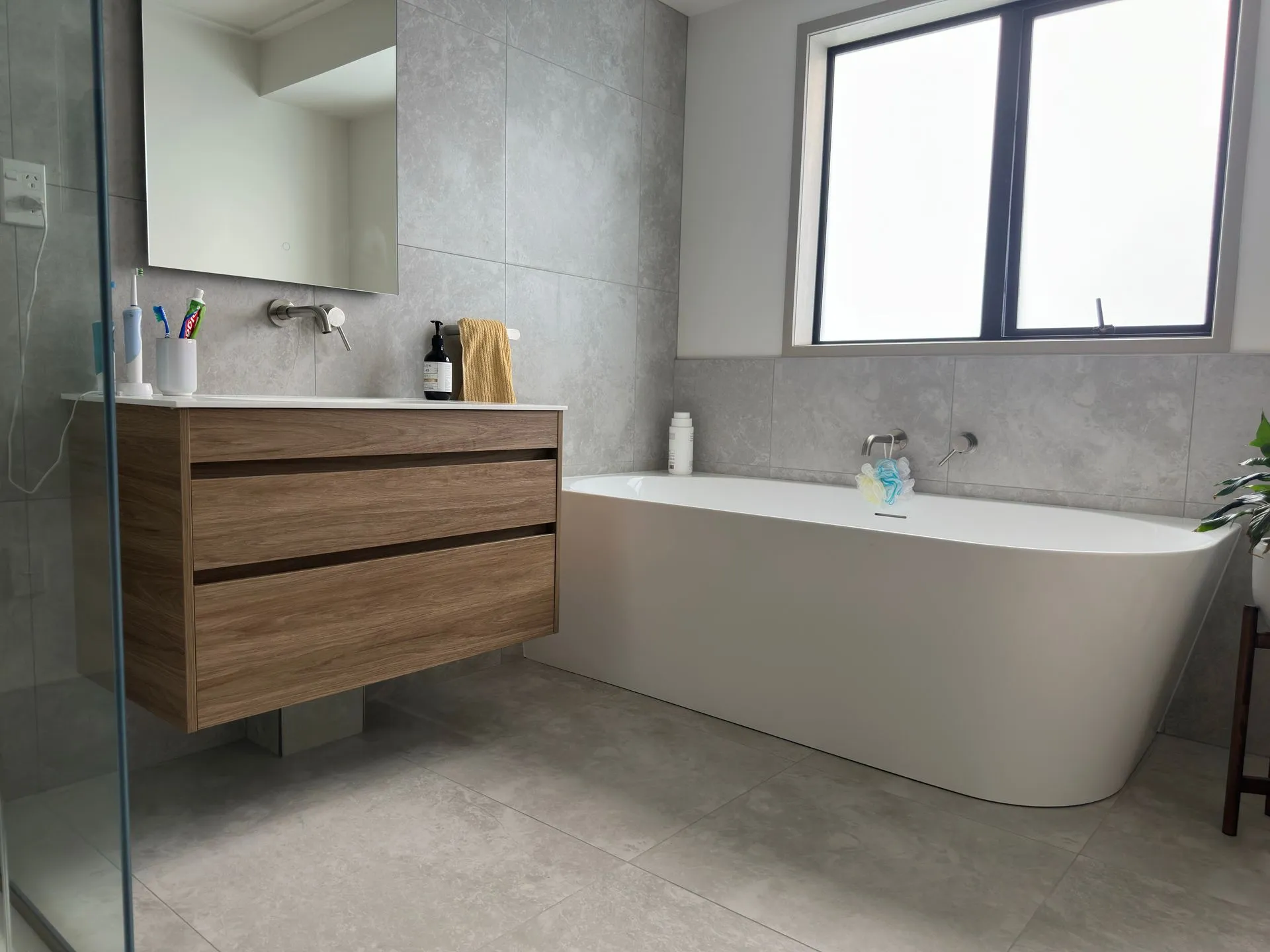
Large basins can reduce usable bench space. Certain tapware styles splash more than expected. Some tiles are difficult to clean, while poor-quality fittings can wear out surprisingly quickly in a high-moisture environment.
Bathrooms are heavily used spaces, so practicality matters just as much as appearance. Cleaning access, durability, storage, water pressure compatibility, and ease of maintenance all play a role in how well the finished room functions long term.
A renovation should still look good, but the best bathrooms are usually the ones that balance visual design with choices that actually suit the household using them every day.
4. Underestimating Waterproofing
Waterproofing is one of the most important parts of any bathroom renovation, but it’s often overlooked because it sits behind the finished surfaces.
If waterproofing fails, water can slowly damage flooring, framing, walls, and surrounding areas before the problem becomes visible. Repairs can become expensive very quickly, especially if leaks are discovered months after the renovation has been completed.
Bathrooms deal with constant moisture exposure, particularly around showers, baths, and tiled areas. Proper waterproofing protects the structure underneath and helps prevent future issues that are far more disruptive than dealing with it properly during construction.
5. Choosing the Cheapest Quote Without Comparing Properly
Bathroom renovation quotes can vary significantly, and lower pricing does not always mean better value.
In some cases, cheaper quotes exclude important work such as waterproofing, demolition, waste removal, plumbing upgrades, or finishing details. What initially looks like a saving can turn into additional costs later, once those items are added back into the project.
When comparing renovation pricing, it helps to look closely at exactly what’s included:
- Plumbing work
- Waterproofing
- Fixtures and fittings
- Waste removal
- Installation
- Labour
- Compliance requirements
Clear quotes make it easier to compare properly and reduce the risk of unexpected costs appearing once work is already underway.
Planning a Bathroom Renovation in Wellington?
Bathroom renovations involve far more than updating the appearance of the room. Plumbing, drainage, waterproofing, ventilation, and layout decisions all affect how well the space performs long after the renovation is complete.
At Harbour City Plumbing, we work with homeowners across Wellington, Lower Hutt, Upper Hutt, and Porirua to help plan practical bathroom renovations with plumbing considered from the beginning. Whether you’re upgrading a small bathroom or redesigning the entire space, our team can help make sure the important details are handled properly from the start.
If you’re planning a bathroom renovation, get in touch with our team to discuss your project and next steps.