Hot Water Cylinder Repair or Replace: The Quick Answer
A leak from the tank itself, a cylinder past ten to fifteen years old, or a second or third repair in as many years all point to replacement being the safer, cheaper option long term. A single faulty part, such as a thermostat or valve, on an otherwise healthy cylinder is usually worth repairing first.
A leak from the tank means replace; a leak from a fitting can often be repaired, and anything over fifteen years old is on borrowed time regardless of how it is currently running. Below we cover what it typically costs to replace a hot water cylinder in Wellington and the Hutt Valley, as well as what to do right now if your hot water is already out. See our full hot water cylinder services for more.
Symptom, Likely Cause and What It Usually Means
* Indicative guide only, please refer to professionals for advice on your specific situation.
| Symptom | Likely cause | Repair or replace? |
| Water pooling around the base | Corroded or split tank | Replace |
| Leaking from a valve or fitting | Worn valve or loose connection | Often repairable |
| Water running lukewarm or inconsistent | Faulty thermostat or element | Usually repairable |
| Knocking, rumbling or hissing sounds | Sediment build-up inside the tank | Repairable, usually a flush |
| Rusty or discoloured water | Internal corrosion | Replace |
| Power bills climbing with no change in use | Ageing element or heat loss | Repair short term, replace if 10+ years old |
| Same fault keeps coming back | Cylinder reaching the end of its life | Replace |
Repair vs Replacement
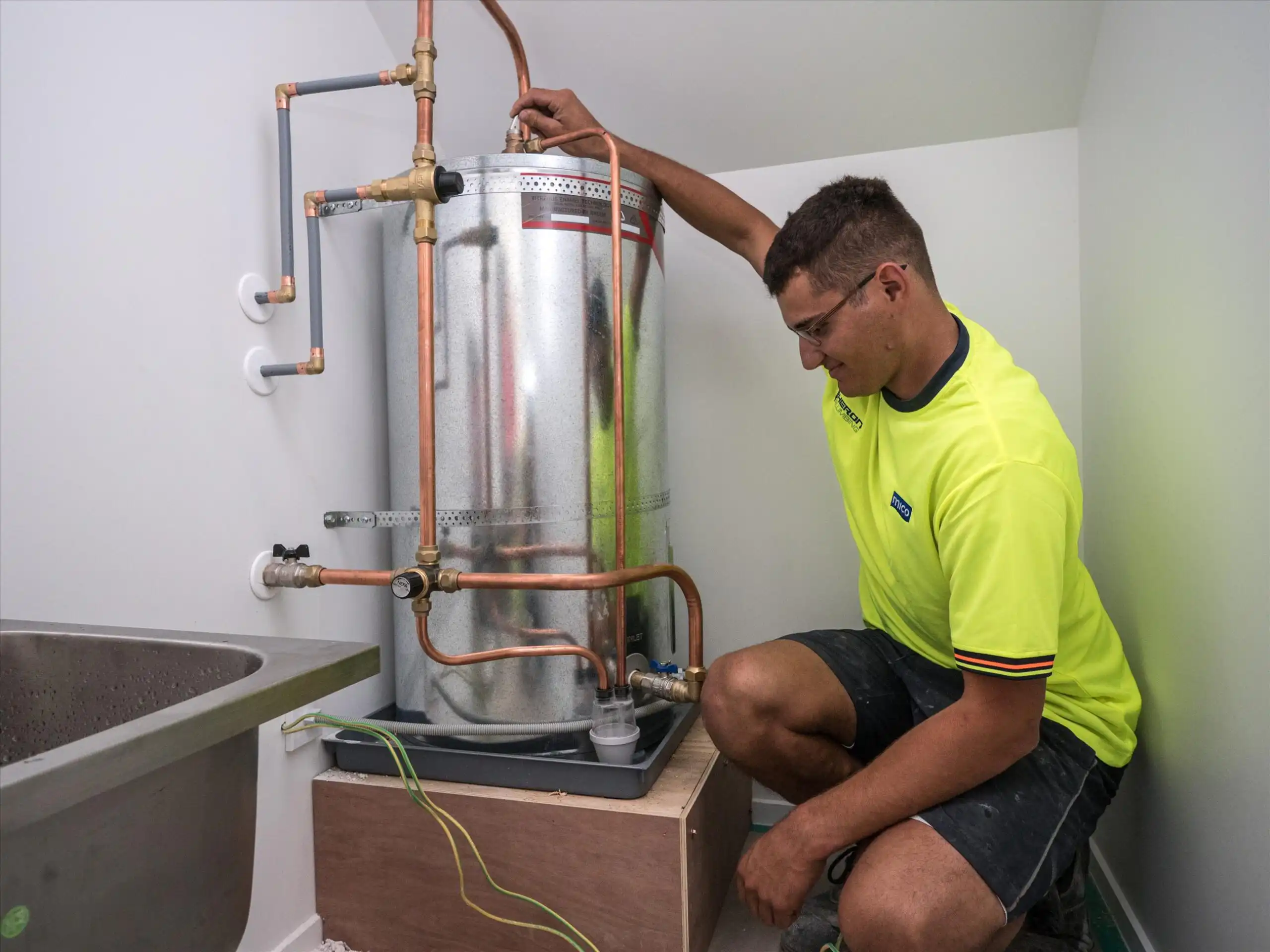
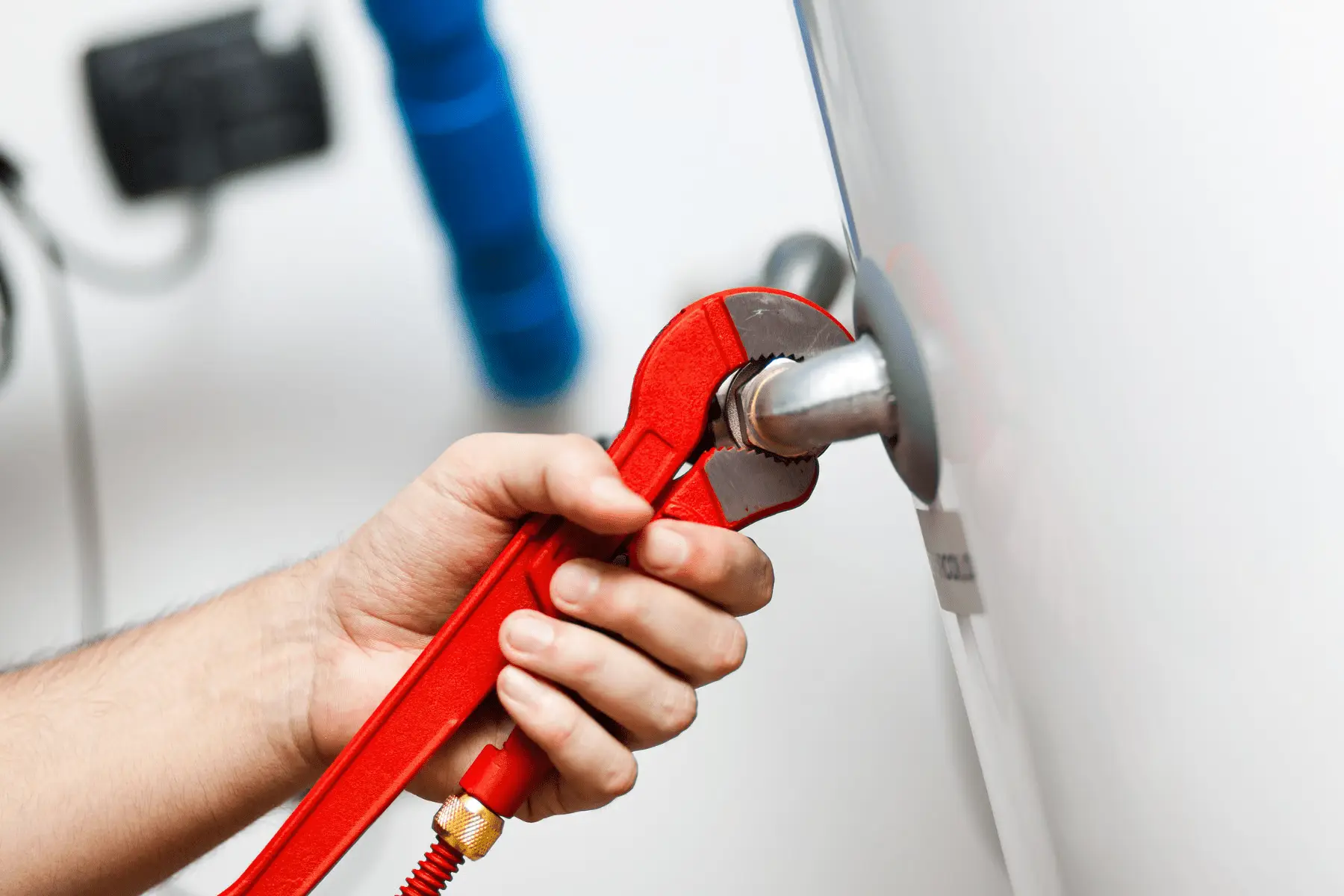
Repair makes sense when the tank itself is sound and the problem is one part playing up: a thermostat, element, valve, or sediment that needs flushing out. These jobs are usually quick, keep costs low, and can add years to a cylinder that still has life left. If yours is under ten years old and this is the first fault you have noticed, repair could be worth trying first.
Once the tank has corroded or split, there’s no safe way to patch it; a pressurised vessel with a compromised shell can’t be repaired. Replacement is also the smarter move once call-outs start piling up. Paying for repeated repairs on a cylinder that keeps failing costs more over time than fitting a new one, and leaves you exposed to the same problem happening again.
The Wellington Factors
A few things about Wellington homes shape this decision more than they would elsewhere. Older villas and bungalows in the hillier suburbs often still run low-pressure cylinders tucked into roof cavities or narrow airing cupboards, and a steep, stairs-only site can add time and cost to any job, repair or replacement alike. Because Wellington sits across several active fault lines, seismic restraint isn’t optional: homes built after 1992 must have their cylinder secured with steel strapping and timber blocking under the Building Code, and older, unstrapped cylinders should be brought up to standard whenever they’re serviced or replaced. If you’re replacing anyway, this is the moment to get that sorted properly.
Should You Switch Type While You’re At It?
Replacement is also a good point to reconsider your hot water type rather than fitting the same thing again.
Heat pump systems use far less electricity than a standard element, usually meaning lower running costs over time, though the upfront cost is higher and the outdoor unit needs some space.
Gas continuous flow, often called an infinity system, heats water on demand instead of storing it, which suits households that never seem to run out, but only stacks up if your property already has, or can easily get, a gas connection. Our gas fitting team installs and services these across Wellington.
Solar hot water cuts running costs and suits a north-facing Wellington roof, though it still needs a conventional backup for grey, wintry stretches, which are not rare here.
None of these necessarily suits every home automatically. It depends on household size, your roof, whether gas is connected, and how long you plan to stay.
What to Do Right Now If You Have No Hot Water
- Check your switchboard for a tripped safety switch or breaker. This alone solves a surprising number of “dead” cylinders.
- Look for a reset button on the thermostat and press it once, if you can reach it safely without opening the unit.
- If you can see or hear water leaking, turn off the water supply to the cylinder if safe to do so.
- Do not open the cylinder, adjust the pressure relief valve, or touch any gas fittings yourself. These are jobs for a licensed plumber or gasfitter.
- Call us. We offer emergency plumbing across Wellington, Lower Hutt, Upper Hutt and Porirua.
Repair or Replace Hot Water Cylinder Wellington FAQs
Can you repair a leaking hot water cylinder?
How do I know if my hot water cylinder needs replacing?
Do I need a plumber to replace a hot water cylinder?
How long does a hot water cylinder replacement take?
Do you offer emergency hot water cylinder repairs in Wellington?
Get Your Hot Water Sorted
Leaking, ageing, or just weighing up the smartest spend? Harbour City Plumbing can help you find the right option for your home and budget.
Call us on 0800 100 311 or request a free quote online, and our Master Plumbers certified team will assess your cylinder and get your hot water sorted properly.